

As we welcome the arrival of June (and hopefully more summer weather–geesh!), we are reminded of how much we enjoy the beauty of the “blue” surrounding us. From Buzzards Bay, to the Westport River, to the various tributaries feeding these places we love, water is a crucial component for our quality of life. Here at WLCT, we are focused on the role conservation plays in maintaining and improving the quality of life for our community. All water starts on the land and finds its way to the Atlantic.
Conservation Values Inform Preservation
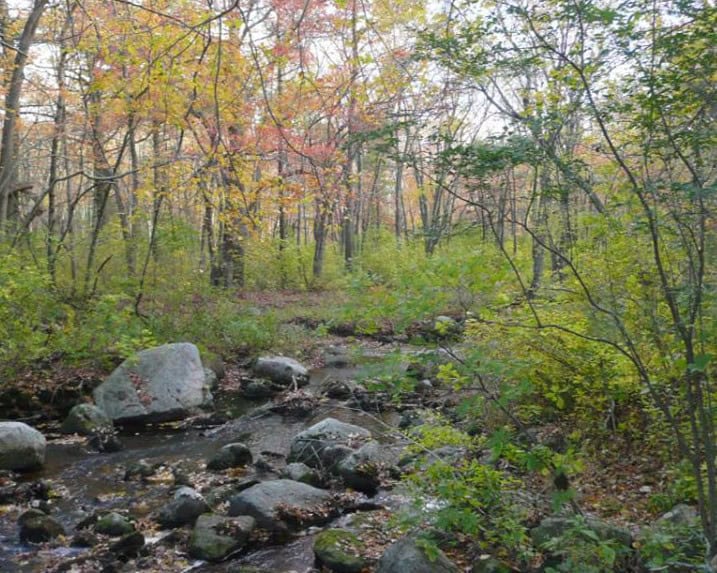
We examine a number of characteristics when we are approached with a land preservation project, but several of the key factors focus on how the land functions to provide clean water or maintain important habitat through water resources. Westport is home to several coldwater fishery resources that support threatened fish species. The resources require a robust forest canopy and ecological system to keep the water cold enough to support native wildlife.
Without thoughtful stewardship surrounding these resources, and without their preservation these streams/brooks would degrade, leading to further degradation downstream.
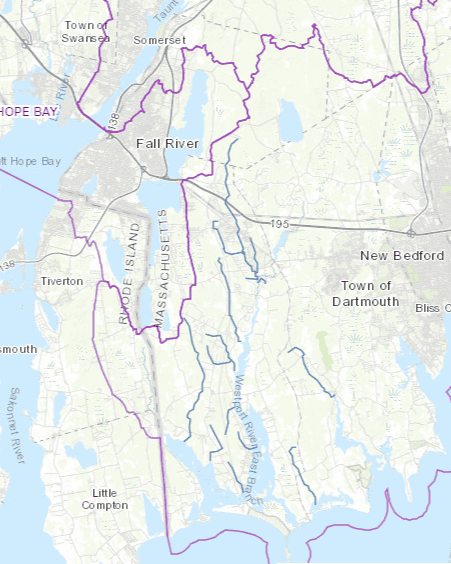
Wetlands are one of the most important resources we have in Westport as they have an incredible ability to slow and hold runoff from impervious surfaces. Their ability to capture water, filter it through a combination of holding capacity and unique flora, is truly amazing! In addition, as greater inundation occurs in Buzzards Bay and the River, these small streams and wetlands have the ability to absorb water as it pushes further inland. The degradation of wetlands and buffer zones surrounding them can dramatically alter the ability to mitigate flooding when larger storm events occur.
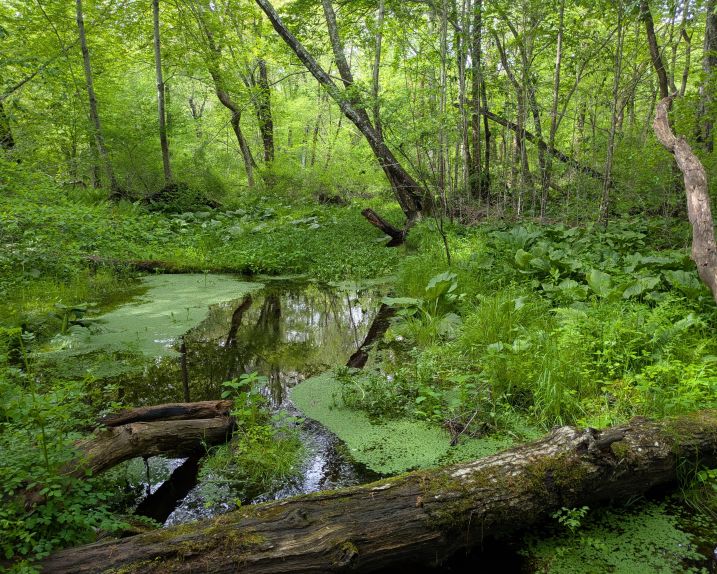
In addition to preserving resources like these, we work with landowners on conserved lands to think about how water is managed on their properties. These conversations focus on maintaining buffer zones to wetlands to slow runoff, managing around water resources with working agriculture, encouraging best practices around property management in highly erodible areas, and much more.
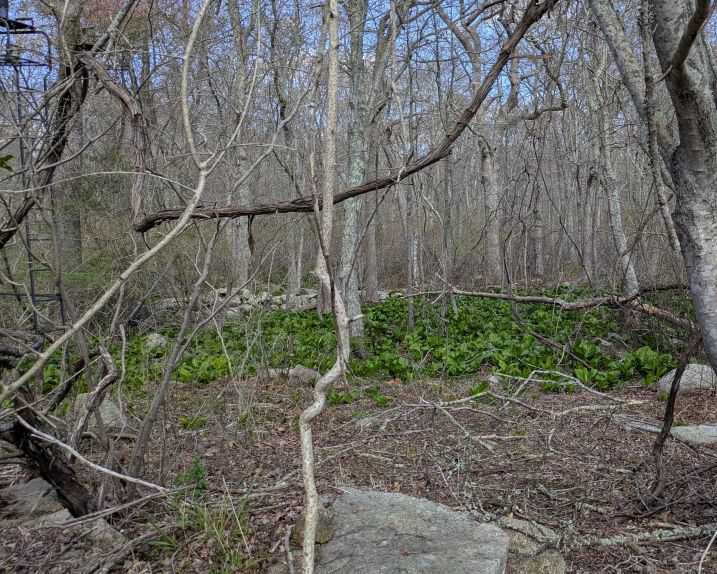
All Land Leads to the Water
While we preserve and manage land, we are centrally focused on the entirety of the environment around us, including celebrating the beautiful blue we all are so grateful for!
