
WLCT hosted Leila Oliveira, a student Bristol Community College, in the fall of 2025 for a semester-long project-based learning experience. Her work focused on wetlands conservation and included this wetlands primer.
Wetlands are unique regions where water either covers the soil or part of the soil for at least part of the growing season. The way this water flows plays a role in how the soil develops, resulting in specific plants and animals, both aquatic and terrestrial. Wetlands are found all around the world, from the tundra to the tropics, except for Antarctica. Due to the unfavorable growing conditions.
Tidal Wetlands
Tidal wetlands in the United States occur within reach of the ocean along the Atlantic, Pacific, Alaskan, and Gulf coasts. These wetlands are commonly found in estuaries, areas where seawater and freshwater mix to create an environment with varying salinity. The salt water and fluctuating water levels combine into a constantly changing and harsh environment for most plants. Consequently, many shallow coastal areas are bare mud or sand flats due to the consistent shifting of sand and sediment. However, certain plants like sedge and rushes adapt to the saline conditions and thrive as the sole vegetation.
Freshwater Wetlands
Nontidal wetlands account for the majority of wetlands in the United States and are found throughout the country, fed by freshwater sources such as rain, snow, and groundwater. The typical nontidal wetlands found in the Massachusetts coastal zone are depressional, riverine, and lacustrine wetlands.
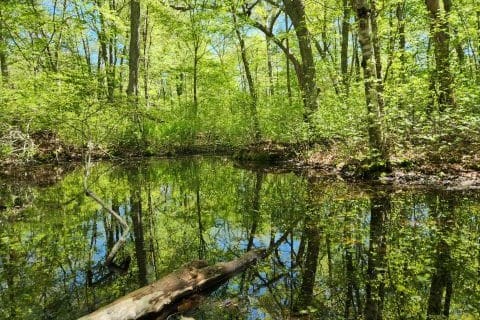
Depressional wetlands are surrounded by uplands and lack a channeled stream, but small intermittent streams might flow in or out.
Riverine wetlands are connected to flowing water systems like rivers.
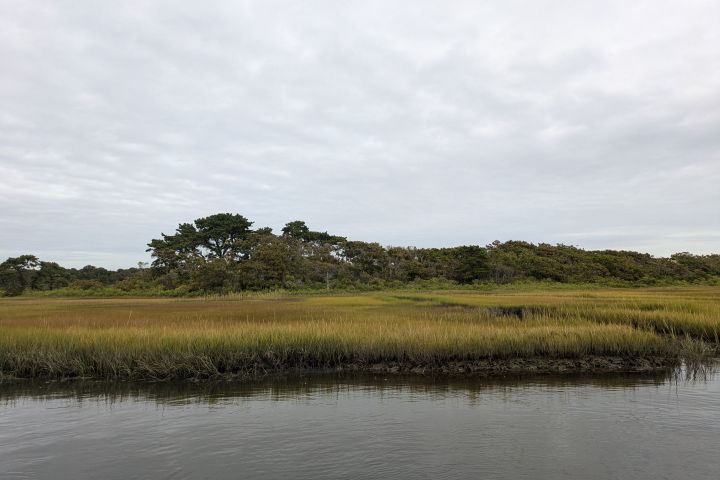

Lacustrine wetlands are within a depression or a dammed river channel that’s dominated by open water.
Wetlands are among the most productive ecosystems in the world, similar to rainforests and coral reefs. They play a crucial role in our ecology by creating wildlife habitats, supporting the food chain, retaining surface water, recharging groundwater, and filtering out nutrients and other pollutants. These are just a few of the key functions that wetlands undertake, impacting the ecosystem. For more information, the Commonwealth of Massachusetts maintains a very instructive page on wetlands.