Planting a Community Crop
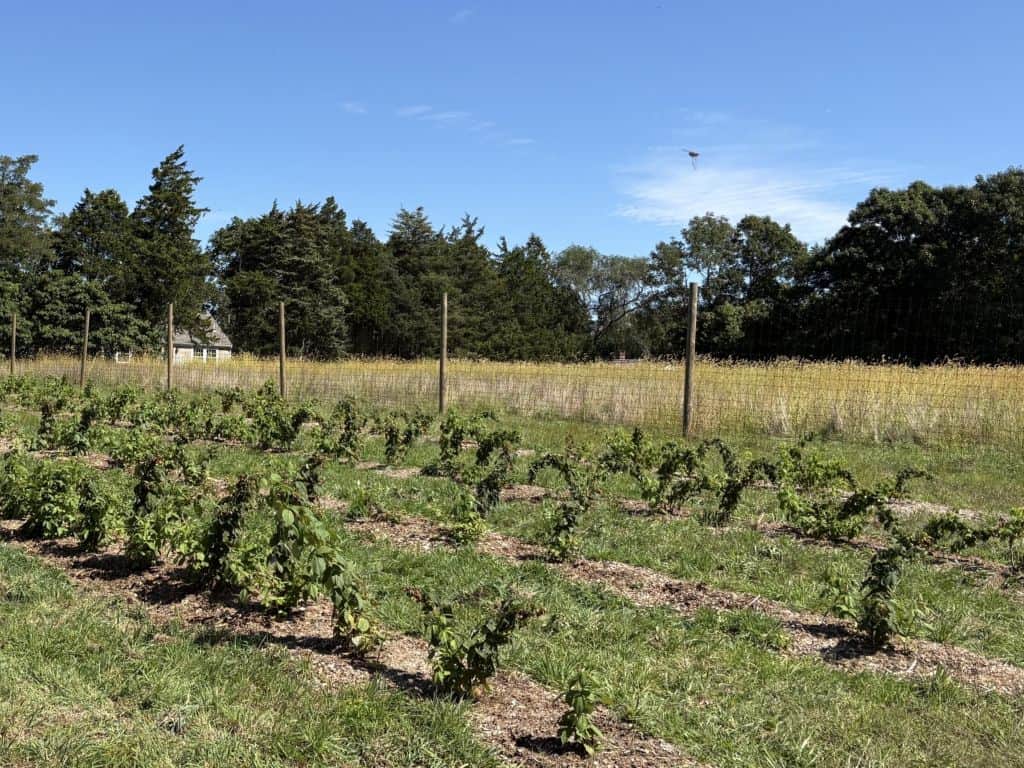
When planning out the berry fields at Snell Creek we wanted to select a variety of different blackberries, raspberries and blueberries. This is important for a few different reasons including disease resistance, fruiting time, pruning requirements and yield. Highlighted below are some of the varieties we chose and some of the key characteristics of those berries.

Local Abundance
We are excited to partner with the Westport Food Pantry to harvest and distribute these berries to the community starting in 2027. We are proud to help provide healthy food options for the local community. There should be a steady supply of various berries from June to the first frost. If you are interested in helping to harvest, please reach out to the Westport Food Pantry for more information.
Choice Berries
Below are the varieties planted at Snell Creek. Raspberries and blackberries (planted twig-like and bare root), and small blueberries came from Johnny’s Selected Seeds; larger blueberry plants came from Sylvan’s Nursery.
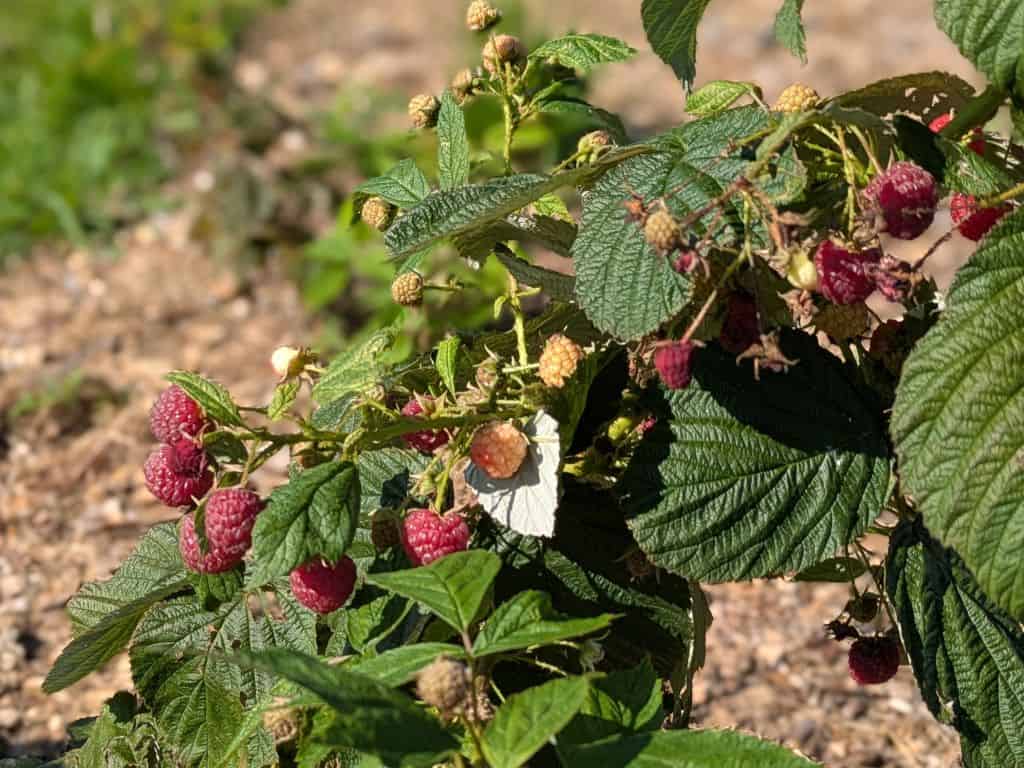
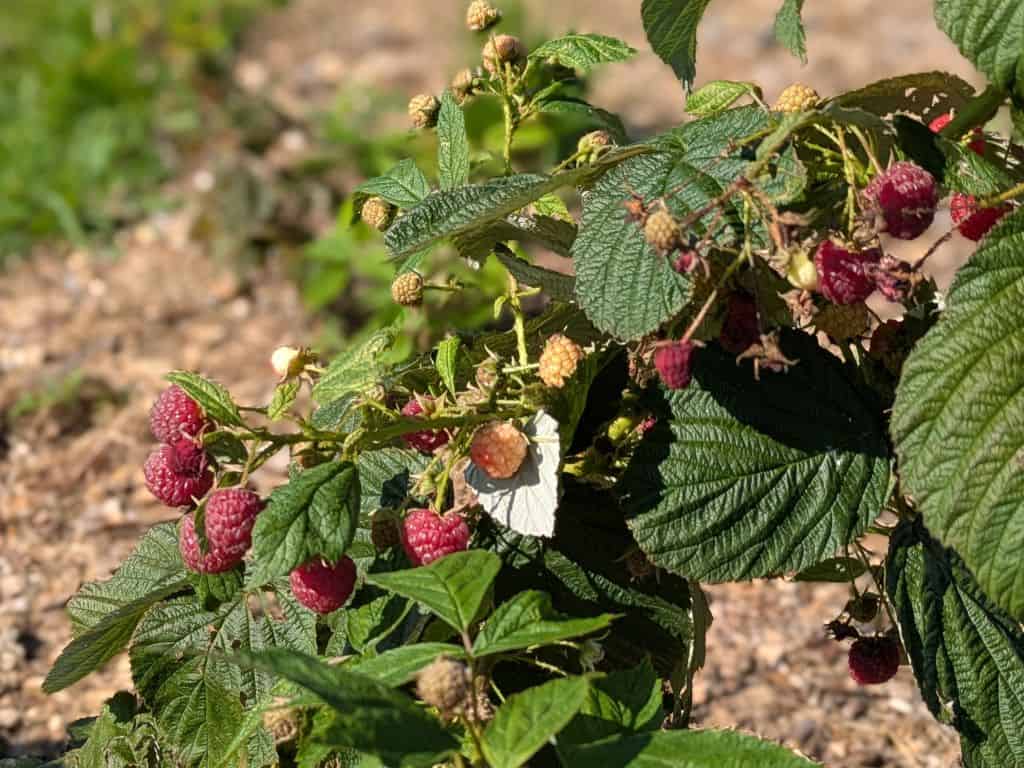
Heritage Raspberry: Heritage is known for its dependable dual harvests—beginning with a light crop in July, followed by a heavier, extended yield from August until the first frost. The large, sweet, dark red berries are perfect for fresh eating, freeze beautifully, and truly shine in homemade jams and jellies. Unlike some leggier varieties, Heritage produces sturdy, upright canes that often don’t require support. Cold-hardy down to -20°F (-28°C), it’s a reliable favorite for northern growers. Grows best in Zones 4–8.
Anne Raspberry: Mid/late-season everbearing variety.
Everbearing or fall-bearing type with large yellow berries. This variety is known for its sweet flavor, which has notes of banana. Grows best in Zones 4-7.
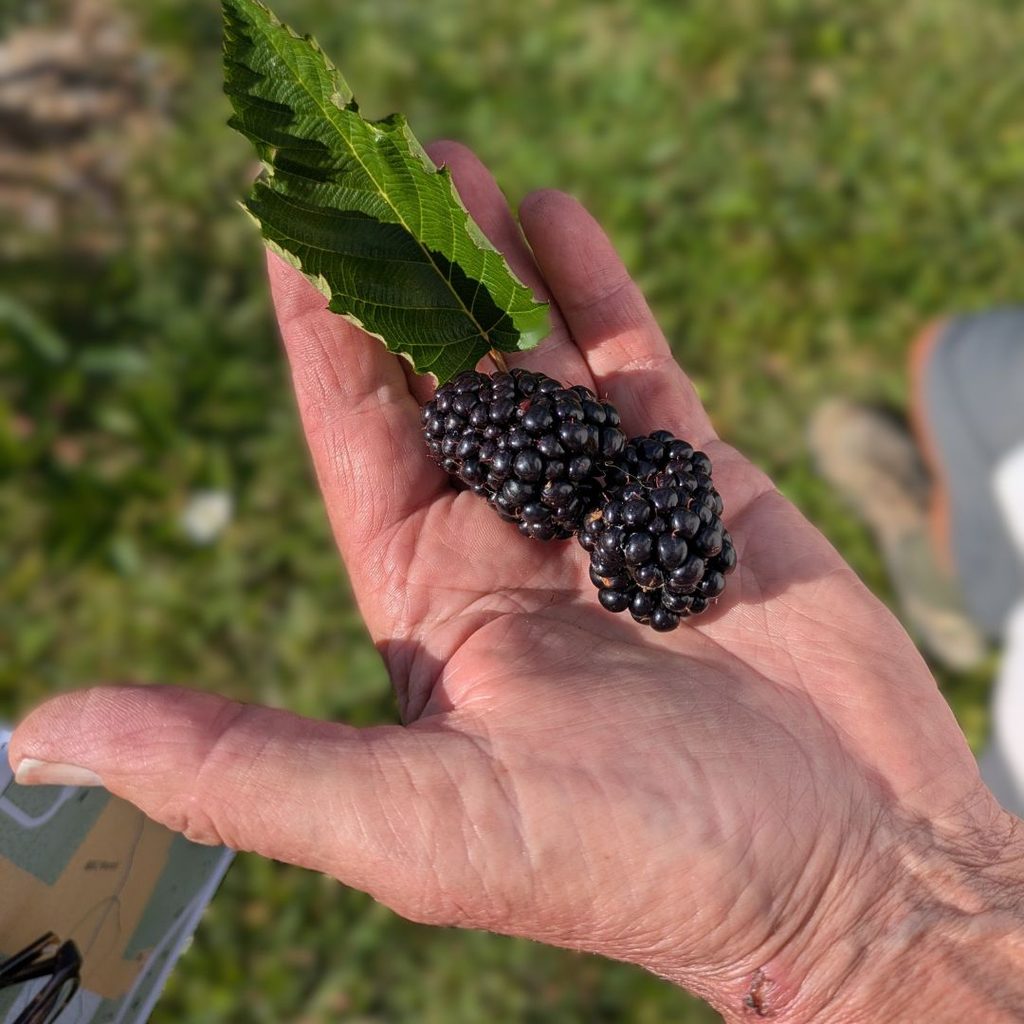
Natchez Blackberry: Natchez is the earliest thornless variety; it produces high yields over an extended 3–5 week period June through July. Berries are large and flavorful. Large plants require trellising. Natchez is a floricane type that fruits on second-year canes. Grows best in Zones 5–9.
Prime Ark Freedom Blackberry: Prime Ark Freedom is thornless and has larger berries with improved flavor compared to other varieties. New canes form berries the first year. Suitable for Zone 5 but grows best in Zones 6–9.
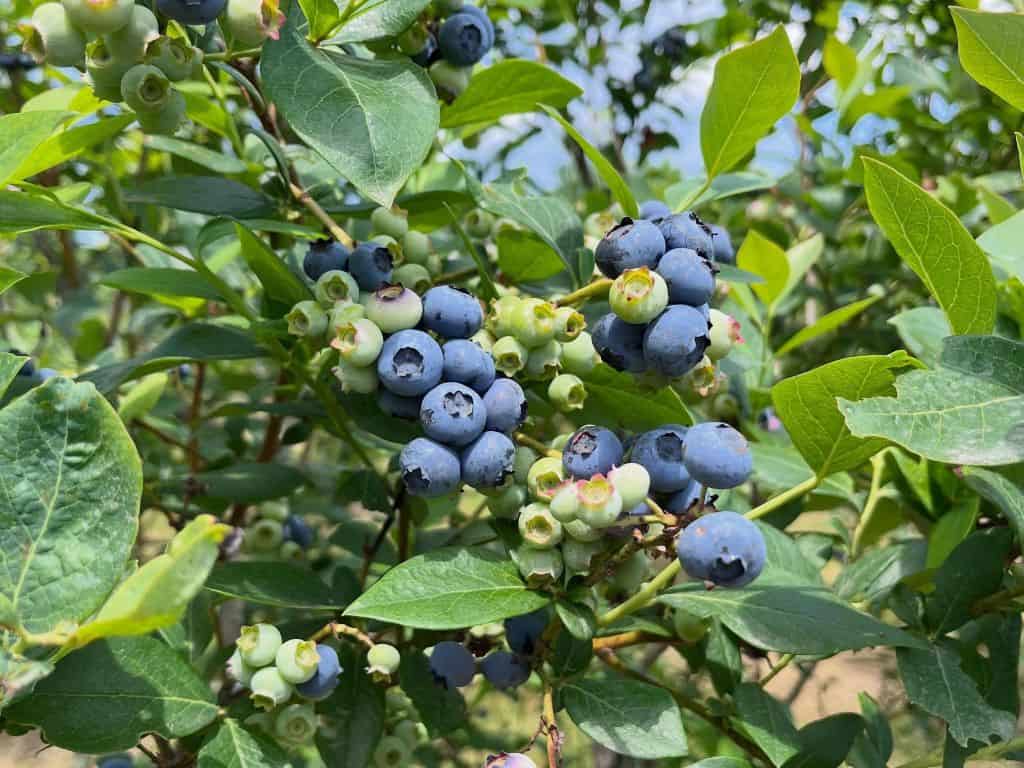
Jersey Blueberry: A beloved heirloom variety, Jersey is vigorous and widely adapted, performing well in a variety of soil types. Manageable plants produce small-to-medium sized berries that are firm, flavorful and sweet. A standout for fresh eating, baking, and preservation, Jersey is a great choice for both beginners and seasoned growers alike. Tall plants can reach a height of 4–6′. For optimal production, another blueberry variety is recommended for cross-pollination. Grows best in Zones 4–8.
Patriot Blueberry: An early season, winter-hardy variety that is well-adapted to many soil types, including wet soils. Patriot’s spreading, low-growing bush habit is easy to manage and is well-suited to container growing. A standout landscape variety with its snow-white blooms, dark green foliage, and stunning fall colors. Plants grow 3–5′ tall. For optimal production, another blueberry variety is recommended for cross-pollination. Grows best in Zones 3–8.