
The wide paths and mature tree canopy at Westport Woods provide a cool refuge for those looking to stretch their legs (or walk their dog) during the summer heat. These paths are planted with native tree, shrub and perennials that echo those found in the woodlands and open spaces of Westport. Our stewardship program at WLCT incorporates best practices for plant health in stressful times.
The summer of 2026 is proving to be hot and dry, similiar to the past several summers, putting extra strain on landscape and garden plants. While some plants provide warning signs, such as curled and wilted leaves, others hide their symptoms until it is too late to help them (evergreens are a prime example). Getting ahead of the issues by deploying
smart watering techniques is crucial for the survival of some species, especially those
that have been recently planted in the past 2 years.
How and When to Water
Ideally, water in the early morning or evening when plants are less strained and there is less evaporation occurring. If a plant is in dire need of water it is a good idea to water whenever you have the time, even if it is in the middle of the day. However, try to avoid overhead watering; concentrate on the base of the plants and the surrounding drip zone–the drip zone is the area to which the branches extend as a radius around the plant.
How Much Water
Typically getting an inch of water per week is sufficient, but larger trees and shrubs that
were recently planted will need deeper and more extensive watering. A soil probe is a
great way to check how deep the water is actually penetrating the ground, which can help
you make adjustments to increase the overall efficiency. When in drought, conserving water is a best practice whether you are on a well or using a municipal source. Save the water for people and plants by avoiding unnecessary use: washing cars and watering lawn.
Plant Selection
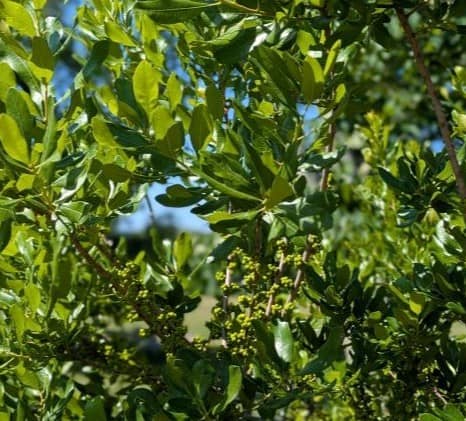
Plant selection can also aid in water usage. By using drought tolerant native plants one can reduce the amount of water needed for gardens to thrive. Oftentimes once natives are established (this typically takes 1-2 years) they will not need supplemental water during heat waves or droughty periods. Species like Switchgrass, Beach Plum, Sweet Fern, Pitch Pine and Bayberry all have high drought tolerance and look fantastic in the landscape.


When to Plant
Avoid planting new selections during heatwaves. Instead leave them in their containers and water the containers regularly. When things cool off a bit it is okay to plan–as long as you can ensure they will get water in the following weeks.
And don’t forget we need plenty of water too! Stay properly hydrated when working outside because if we aren’t feeling good we can’t make sure our plants are.